



Blade Runner 2099, Neuromancer and the Exciting Return of Cyberpunk
With two of cyberpunk’s most influential worlds heading to television – and Cyberpunk 2077 still doing well – has the age of AI made the genre more relevant than ever?
Affiliate disclosure: This article contains affiliate links. If you buy something through them, I may earn a small commission at no additional cost to you.
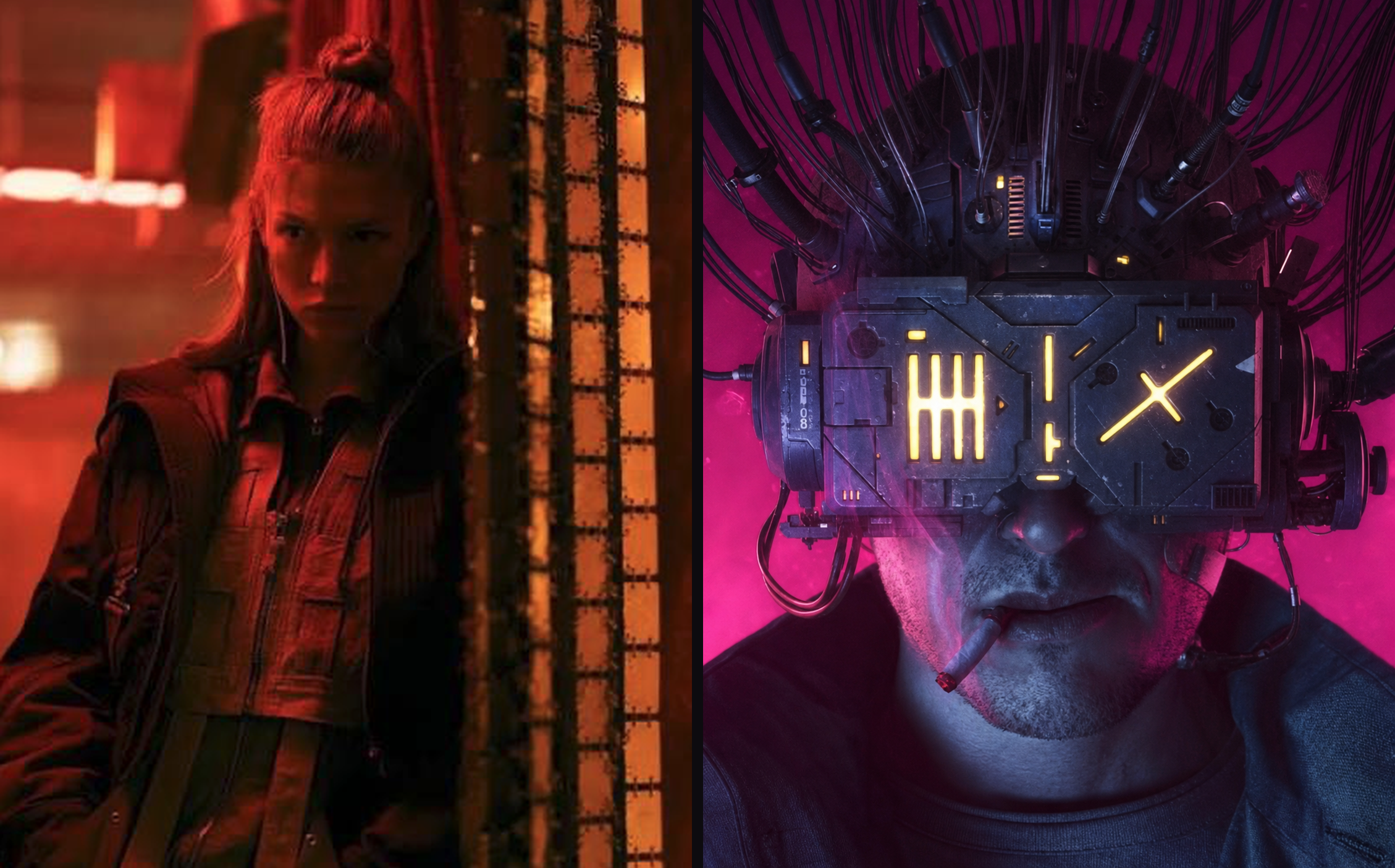
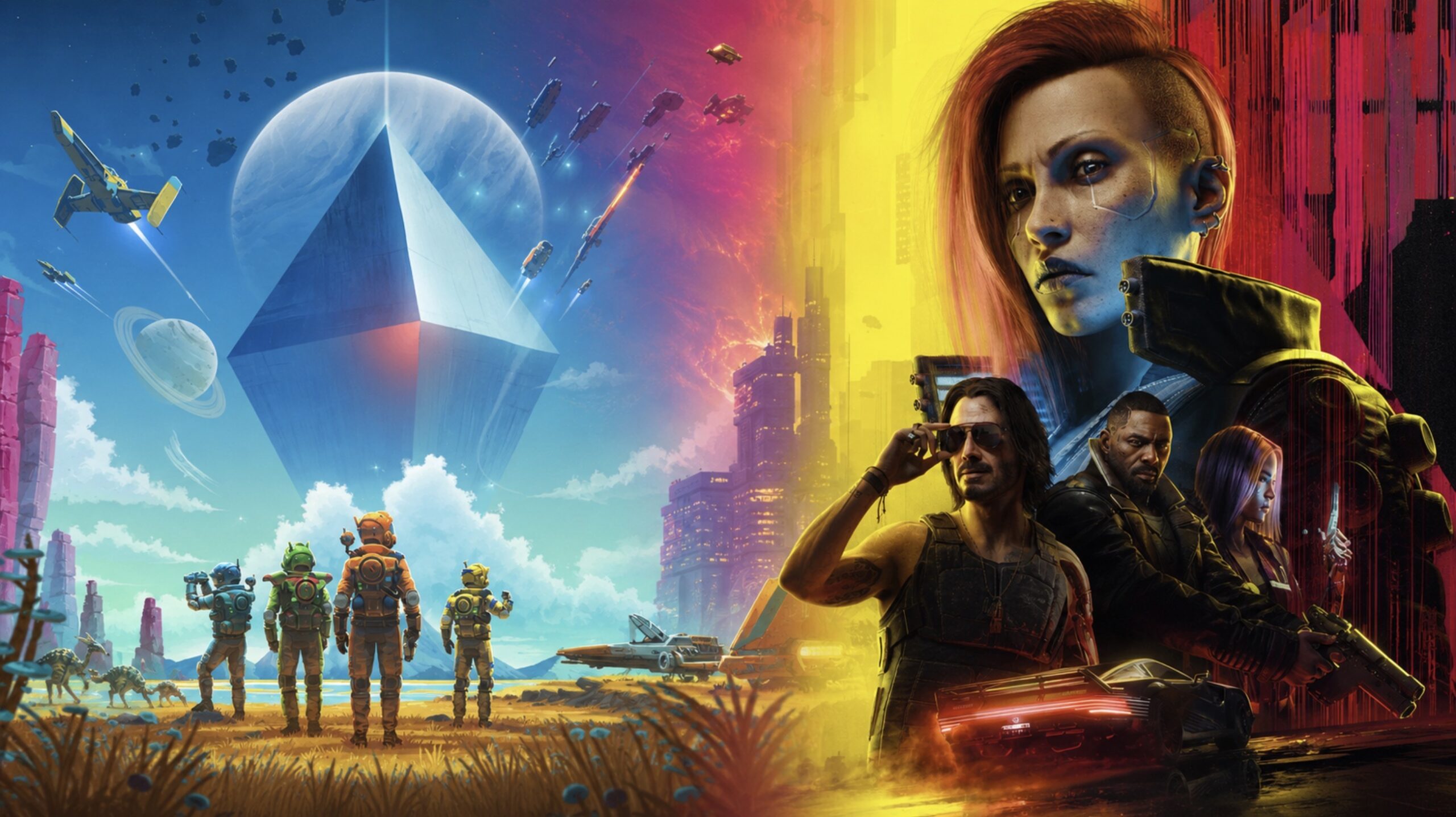
I’ve been playing Cyberpunk 2077 a lot recently, immersing myself in its world of artificial intelligence, cybernetic implants and all-powerful corporations. (It’s my second playthrough.) I also have the Blade Runner Origins comics sitting on my shelf, waiting to be read. Then, within the space of a few days, trailers appeared for both Blade Runner 2099 and Neuromancer.
Two of the works most responsible for shaping cyberpunk are being reinvented for television at almost exactly the same time. That’s not nothing. Are we entering a new age of cyberpunk — or has the real world simply begun to catch up with it?
Two different visions of cyberpunk
The original Blade Runner and William Gibson’s Neuromancer both appeared during the early 1980s, but they helped define different aspects of cyberpunk.
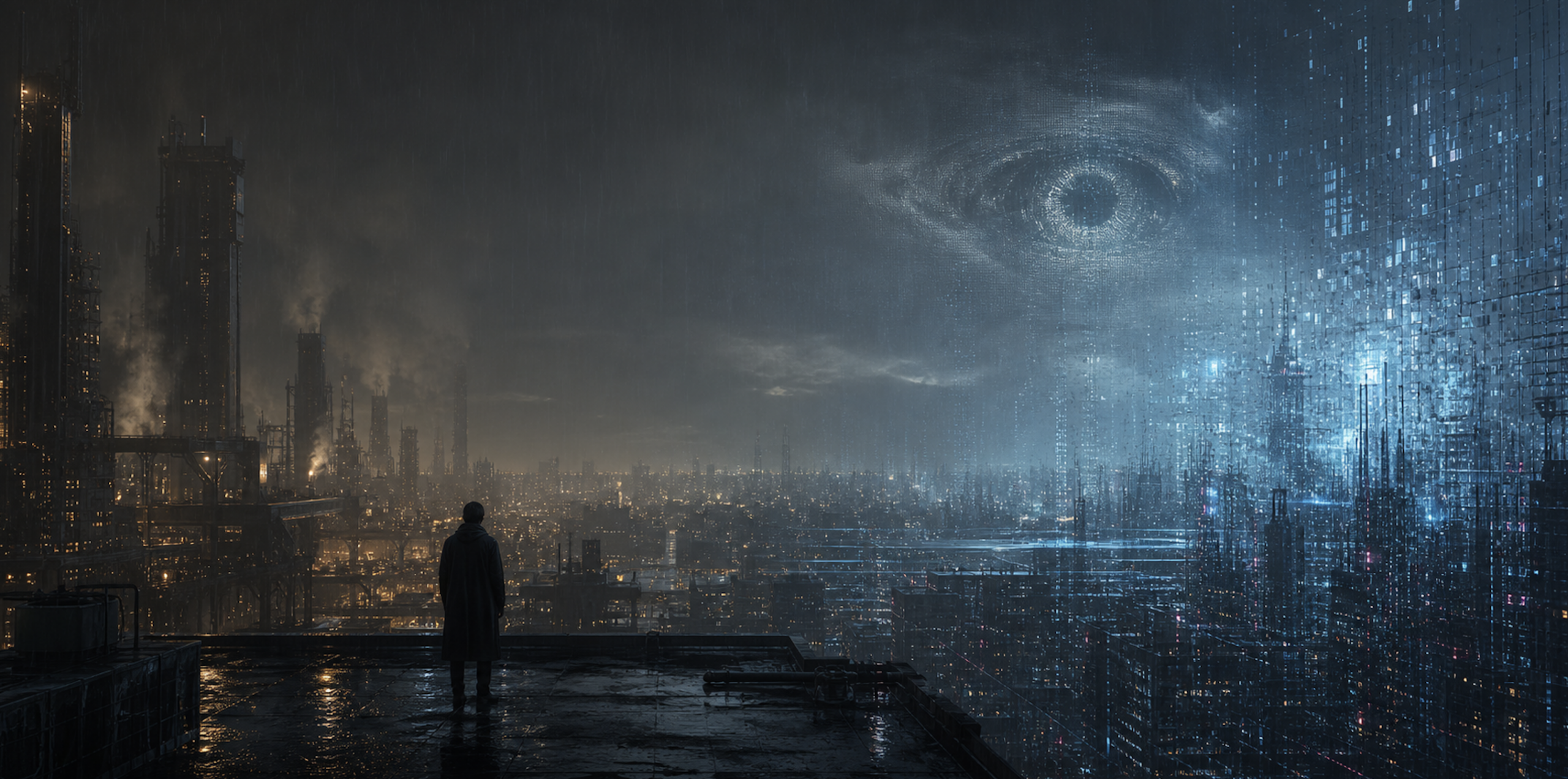
Blade Runner established much of the genre’s visual identity: rain-soaked cities, crowded streets, noodle stalls, vast corporate buildings and flickering neon signs. More importantly, it asked questions about artificial life, memory and what it means to be human. The 1968 book Do Androids Dream of Electric Sheep? that it’s based on is also worth a read.
Neuromancer, first published in 1984, imagined hackers entering cyberspace, artificial intelligences operating beyond human control and corporations whose power stretched across the world, and beyond it. Its influence can be found almost everywhere, from The Matrix to Cyberpunk 2077.
Now both are becoming major television series.
Blade Runner 2099 is set 50 years after Blade Runner 2049 (you probably guessed that) and will arrive on Prime Video in November. The trailer suggests the series will preserve the familiar atmosphere of the films, while moving their questions about humans and replicants further into the future.
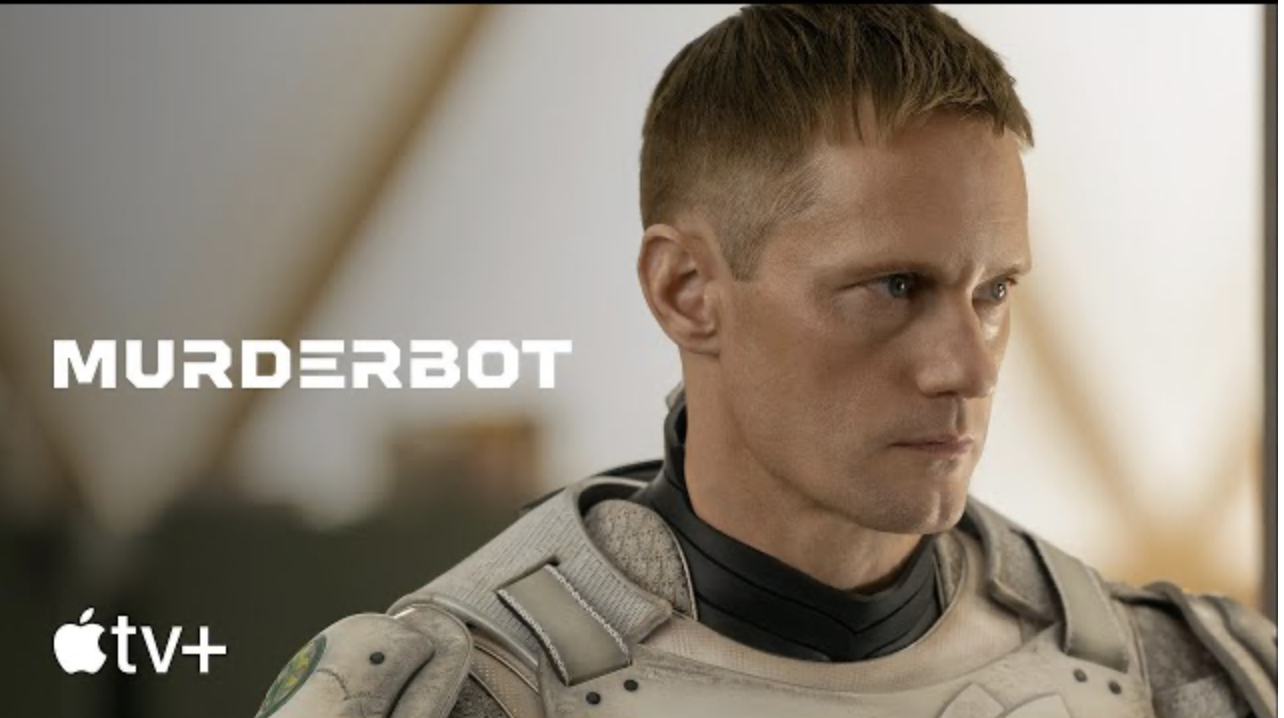
Apple’s Neuromancer, meanwhile, arrives in January 2027. It follows Case, a damaged hacker recruited alongside the assassin Molly for a dangerous operation involving a powerful corporate dynasty. Its trailer offers a faster, more chaotic form of cyberpunk: hackers, criminal underworlds, digital imagery, and bodies altered by technology.
These are related worlds, but not identical ones. Blade Runner is sombre, atmospheric and preoccupied with identity. Neuromancer is jagged, wired and concerned with information and the strange places where human consciousness meets the machine.
I am looking forward to both. But why are they arriving now?
Cyberpunk never really went away
It would be easy to describe this as the return of cyberpunk, but the genre has never completely disappeared.
Blade Runner 2049 returned to Ridley Scott’s world in 2017. Altered Carbon brought cyberpunk imagery to streaming television, and the book it was based on was absolutely superb. Meanwhile comics, novels, animation and games continued exploring similar ideas away from mainstream cinema.
Then there’s Cyberpunk 2077. Which I love. Its launch in 2020 wasn’t the best, but years of updates, the excellent Phantom Liberty expansion and the success of Cyberpunk: Edgerunners transformed its reputation. Today, Night City is one of the most recognisable cyberpunk settings in popular culture, and a second Edgerunners series is also on the way.
Cyberpunk hasn’t returned from the dead. But it is certainly getting a hell of a lot more attention.
The future has caught up
When cyberpunk emerged, its ideas belonged to a distant, speculative future. Artificial personalities, immersive digital worlds, synthetic memories and corporations controlling the technology around us were compelling because they seemed just out of reach.
The original Blade Runner came out in 1982 and was set in the distant year of 2019. Neuromancer came out in 1984, and while it never specifies a year, Gibson has said he pictured it around 2035. The dates don’t feel so distant any more — and neither do the questions: what happens when technology develops faster than our ability to control it, and who owns the systems society depends on?
We are not living in Night City. Not yet. But cyberpunk’s central questions have become a lot easier to recognise. Its greatest prediction may not have been any particular machine — it was the unequal society that would decide who owned that machine, who benefited from it, and who was left behind.
More human than human with Blade Runner 2099
This makes Blade Runner especially relevant to the current conversation about AI.
The franchise has always been interested in the boundary between authentic and artificial life. Its replicants are manufactured, given limited lives and treated as property, yet they appear capable of fear, love and self-sacrifice — often more emotionally alive than the humans hunting them.
Modern AI is nothing like a replicant. But as people grow used to speaking with artificial systems in natural language, Blade Runner’s emotional questions stop being abstract. If a machine can imitate a personality convincingly, will we begin to form relationships with it? People already are — how far will that go? Does it matter whether the emotion on the other side is real, if our response to it is real?
Blade Runner 2099 has an opportunity to explore these questions for an audience already encountering their earliest versions.
Jacking into the present with Neuromancer
Neuromancer offers a different angle: networks, data, hackers, and artificial intelligences whose motives aren’t easily understood.
Many of us spend a substantial part of our lives in digital spaces controlled by systems we can’t see. Our identities exist partly as collections of accounts, messages and personal data, and decisions about what we encounter online are increasingly made by algorithms few users understand. Gibson wrote about cyberspace before the modern internet existed — readers coming to the novel today will bring an entirely different set of experiences to it. The technology may still be fictional, but the sensation of living inside systems run by distant corporations is not.
The challenge for the adaptation will be making Neuromancer feel like more than a collection of familiar ideas. The novel helped originate them, but decades of imitation mean they may land as less original to first-time viewers. We’ll see.
A new cyberpunk age?
Familiar properties are valuable to streaming services, the cyberpunk aesthetic remains instantly recognisable, and the success of Cyberpunk 2077 and Edgerunners has proven there’s a large audience for these worlds. Wearable gadgets and screens everywhere have nudged everyday life a bit closer to the genre too — but I think AI is what’s really pulled us further in.
Blade Runner 2099 and Neuromancer are arriving at a moment when artificial intelligence, corporate power and digital identity are part of everyday conversation. Ideas that once needed elaborate futuristic set-up can now be tied to technology people use every day.
Whether these two series begin a genuine cyberpunk renaissance remains to be seen. Their near-simultaneous arrival nevertheless feels significant. Or maybe Hollywood execs were just playing Cyberpunk 2077 as well.
Two foundational visions of cyberpunk are returning just as the future they imagined starts to resemble the present. Perhaps that’s exactly why it no longer feels like fiction.
Explore some cyberpunk worlds:
Read William Gibson’s Neuromancer
Read Philip K. Dick’s Do Androids Dream of Electric Sheep?
Watch Blade Runner: The Final Cut
Watch Blade Runner 2049
Play Cyberpunk 2077: Ultimate Edition
Read Blade Runner Origins
Watch the official teaser for Blade Runner 2099:
Watch the official teaser for Neuromancer: