




Are Anthologies the New Pulp Magazines?
A pleasing trend I’ve noticed recently, has been the rise in the number of anthologies coming out. This increase is logical, given the more general increase in the popularity of short stories. These are trends I want to continue.
(If you want to read more about that, I explored it in a recent Substack: Short stories are back – here’s why that’s great for writers.)
Pulps disappeared, but are anthologies filling their function?
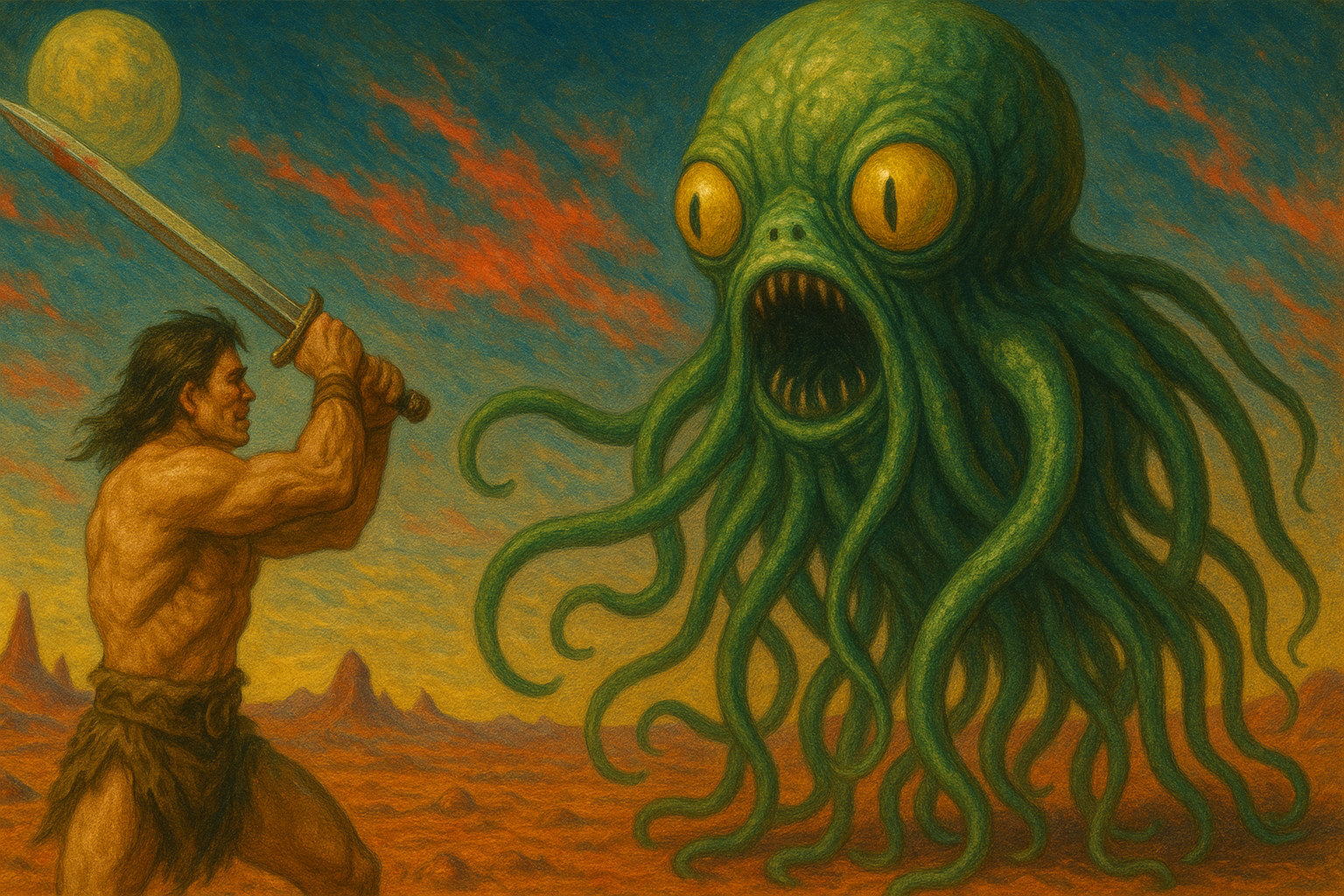
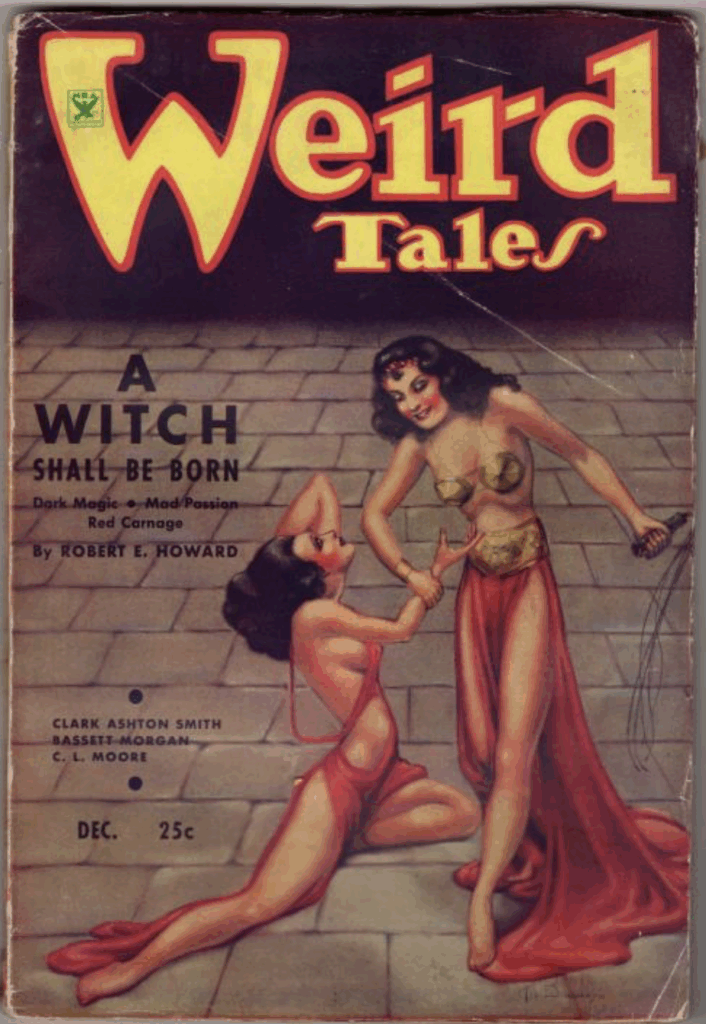
Back in the day, a writer could bash out a story about a space squid detective or scantily clad barbarian and send it off to a pulp magazine that would print it on the cheapest paper available, slap a lurid cover on the front, and toss it into newsstands by the thousands.
Those days are, sadly, gone. But the hunger for strange or exploratory genre fiction is not. And while short story magazines like Asimov’s, Clarkesworld and Analog are the direct descendants of the pulps, I think anthologies might be claiming their legacy. A least a bit.
I’m not saying anthologies are the new pulps in format, but I think they might be the new pulps in function. That sounds slightly pretentious for some reason, but bear with me.
A quick look at pulps
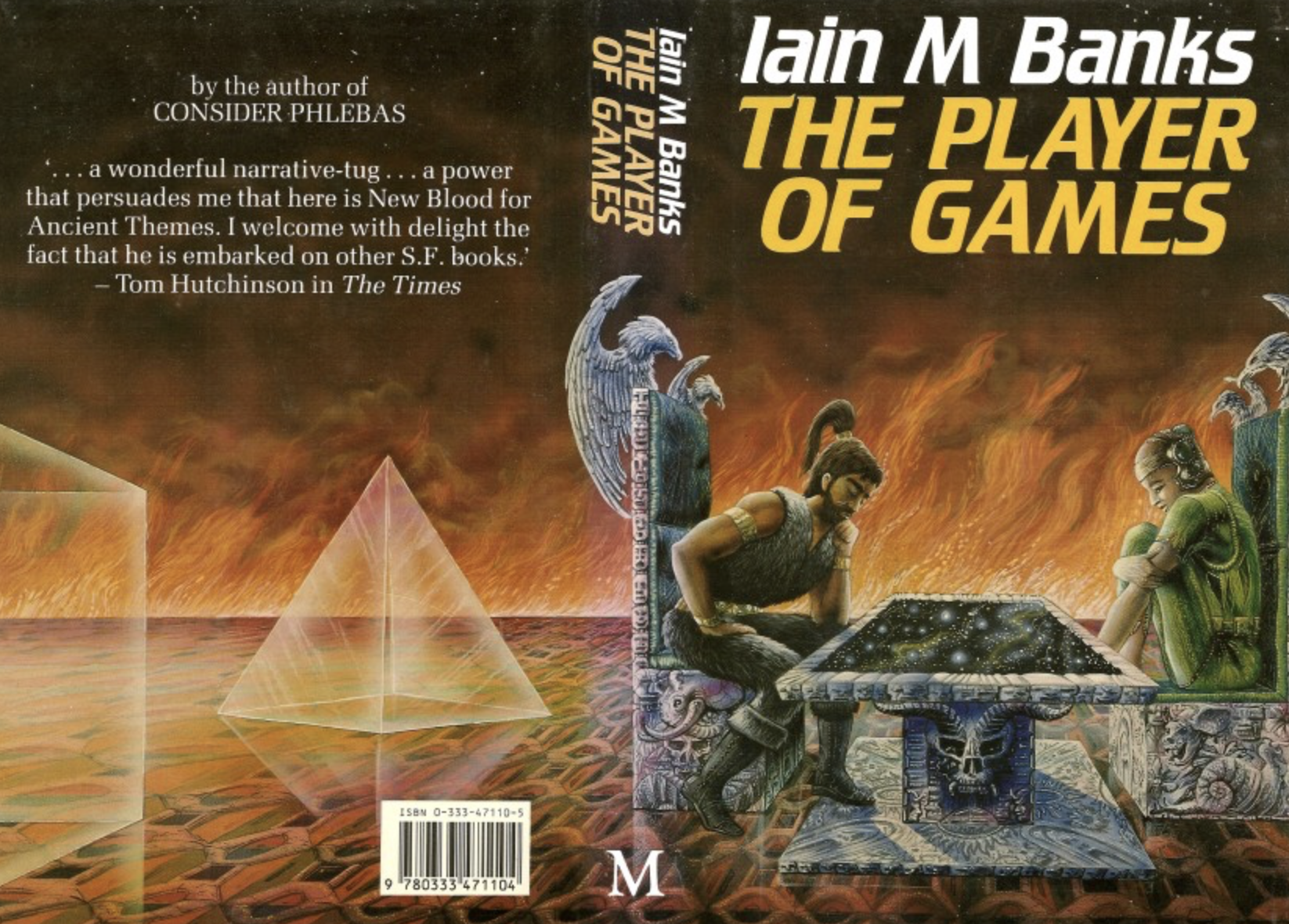
Pulps flourished from the 1920s to the 1950s. They were published on cheap paper and featured exciting, sensational and frequently experimental material. New genres and writers were established, with writers like H.P. Lovecraft, Robert E. Howard, and Isaac Asimov exploring genres such as horror, sci-fi, adventure, and weird fiction.
Popular magazines included Weird Tales (1923) – horror and fantasy; Amazing Stories (1926) – the first sci-fi magazine; Black Mask (1920) – crime fiction; and Astounding Stories (which became Analog). Most, sadly, disappeared in the 1950s as paperback novels and TV provided new forms of entertainment.
Large publishers took control of publishing and found it was harder to turn a profit from selling short stories, and focused on longer fiction. Some, like Analog, transitioned into digest-sized formats or glossy monthly mags, but most faded away. Similarly, anthologies have been around the whole time, and while some survived (like Universe, Orbit, Best Science Fiction of the Year), most saw a dip in volume compared to their previous years and now.
Short story magazines versus anthologies
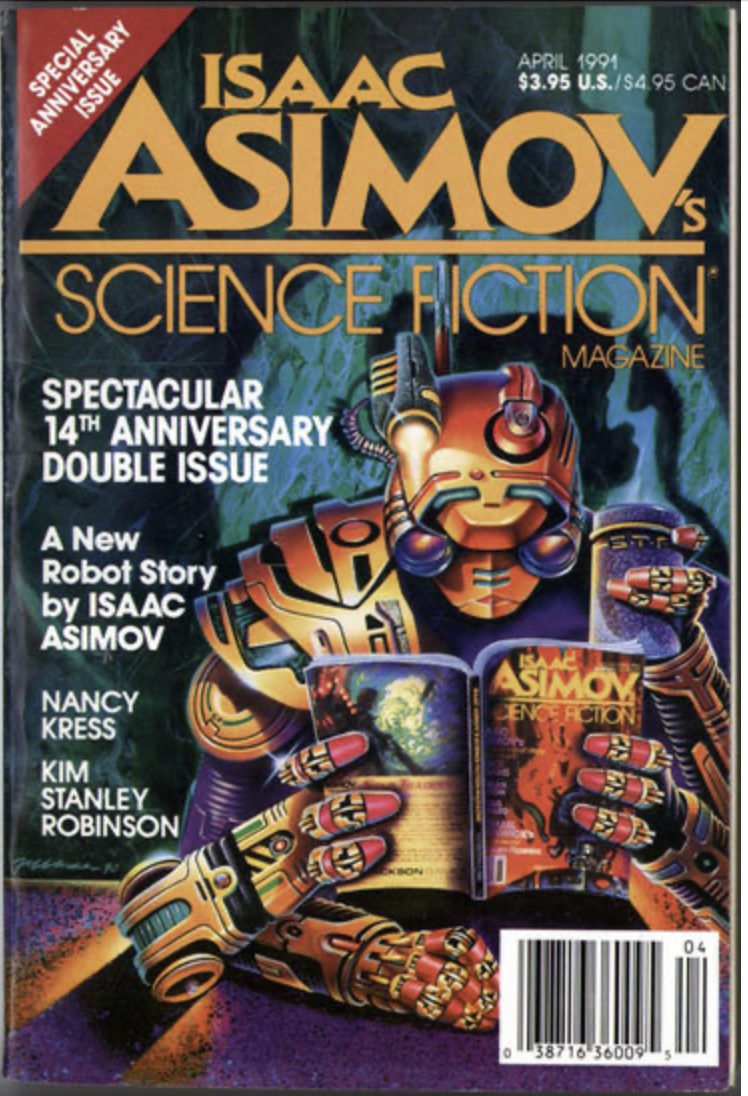
So, what’s the difference between magazines and anthologies and which is the new pulp equivalent?
Short story magazines like Asimov’s, Clarkesworld, Uncanny, and others still exist and officially carry the pulp torch (which sounds like a vaguely unpleasant euphemism).
The problem is that there aren’t very many of them, submission slots are limited, and you have to wait ages for a reply.
Basically, they preserve the format of the old pulps, but they don’t really fulfil the function. There are now lots of indie short story magazines, too, but I have found them very niche, occasionally hard to trust, and generally not all that appealing.
I know that is a broad brush to tar them with, but I use Duotrope and find a lot more writing opportunities with anthologies. They feel closer to the pulp ecosystem.
How Anthologies Fill the Void
Anthologies have exploded in recent years, thanks to indie presses, crowdfunding, and digital publishing. They’re themed, they’re weird, and they’re everywhere.
- They’re prolific — Kickstarter alone launches dozens each year, alongside small presses and indie publishers.
- They’re niche — anthologies now cover everything from solarpunk ghosts to sword-wielding lesbians in space (probably).
- They launch careers — being published alongside a big-name author gives instant legitimacy.
Unlike pulps or magazines, they have the added bonus of hanging around a lot longer. Magazines vanish each month, while anthologies remain on shelves and in online stores indefinitely.
In many ways, anthologies are more accessible and more experimental than magazines ever could be. It could be argued that they are the next evolution of the pulps.
The anthology that sparked all this is definitely trying to be a pulp
I became interested in the idea of anthologies being the new pulps after following a Substack called Raconteur Press. Its byline is:
“Have Fun, Get PAID!!” Raconteur Press is an independent publisher of SF/Fantasy Anthologies in the tradition of the great pulp magazines of the 1930s-50s.
This led me to do a bit of research, and all the reviews about working with them were incredibly positive. They seemed as reliable and genuine as mainstream magazines, except they were faster to respond and pay (although the amount would probably be less).
And it isn’t just Raconteur, there are a load of anthologies that are really easy to find. With pulps, each magazine had a specific genre, but now it is the individual issue that decides the type of story.
The Paycheck Problem
Pulps paid pennies a word, but in 1930, those pennies could cover rent. Today’s anthologies are unlikely to do that.
• Pro rates: 8–10¢ per word (rare but real, especially in SFWA-qualifying projects).
• Semi-pro: 1–5¢ per word (common).
• Flat fees/royalties: $25–$200 per story or a cut of sales.
A 5,000-word story at 5¢/word nets you $250. Respectable beer money, but not rent. Writers can’t realistically live off anthologies alone, but then again, most pulp writers struggled too. The grind is the same: hustle, submit, repeat.
This is also an issue for short story magazines as well. They tend to pay more but as previously mentioned, they are a pain in the ass to get into.
Anthologies vs. Magazines: Not a Fight, a Tag Team
It’s not really an either/or situation. Magazines offer prestige and professional pay. Online magazines have very specific niches and low pay. Anthologies offer variety, experimentation, and a platform for writers outside traditional circuits.
All are vital for keeping the short story alive. But in my humble opinion, anthologies are starting to feel like the true pulp successors.
Final Thoughts: Long Live the Pulps
So are anthologies the new pulp magazines? Not exactly, but kind of. Not in terms of format or frequency. But in all the ways that matter, I would argue yes. They certainly feel the most pulpy.
They’re how genre fiction stays weird and alive. They give new voices a platform. They let readers explore dangerous, imaginative ideas in bite-sized doses. And while no one’s buying a yacht on anthology pay, they remain one of the lifebloods of short fiction.
Right, time to write some barbarian-but-in-space fiction.